BRICS brings together eleven major emerging markets and developing countries of the world: Brazil, China, Egypt, Ethiopia, India, Indonesia, Iran, Russia, Saudi Arabia, South Africa and United Arab Emirates. It serves as a useful platform for consultation and cooperation on contemporary issues having global as well as regional significance, and issues of global political and economic governance.
2006
First BRIC Foreign Ministers' Meeting
2009
First BRIC Summit
2011
South Africa joins BRICS
2024
5 new members join
2025
1 new member and 10 new partner countries join
History
BRIC was formalised at the first meeting of BRIC Foreign Ministers on the sidelines of the United Nations General Assembly (UNGA) in New York in 2006. The inaugural BRIC Summit was convened in Yekaterinburg, Russia, in 2009.
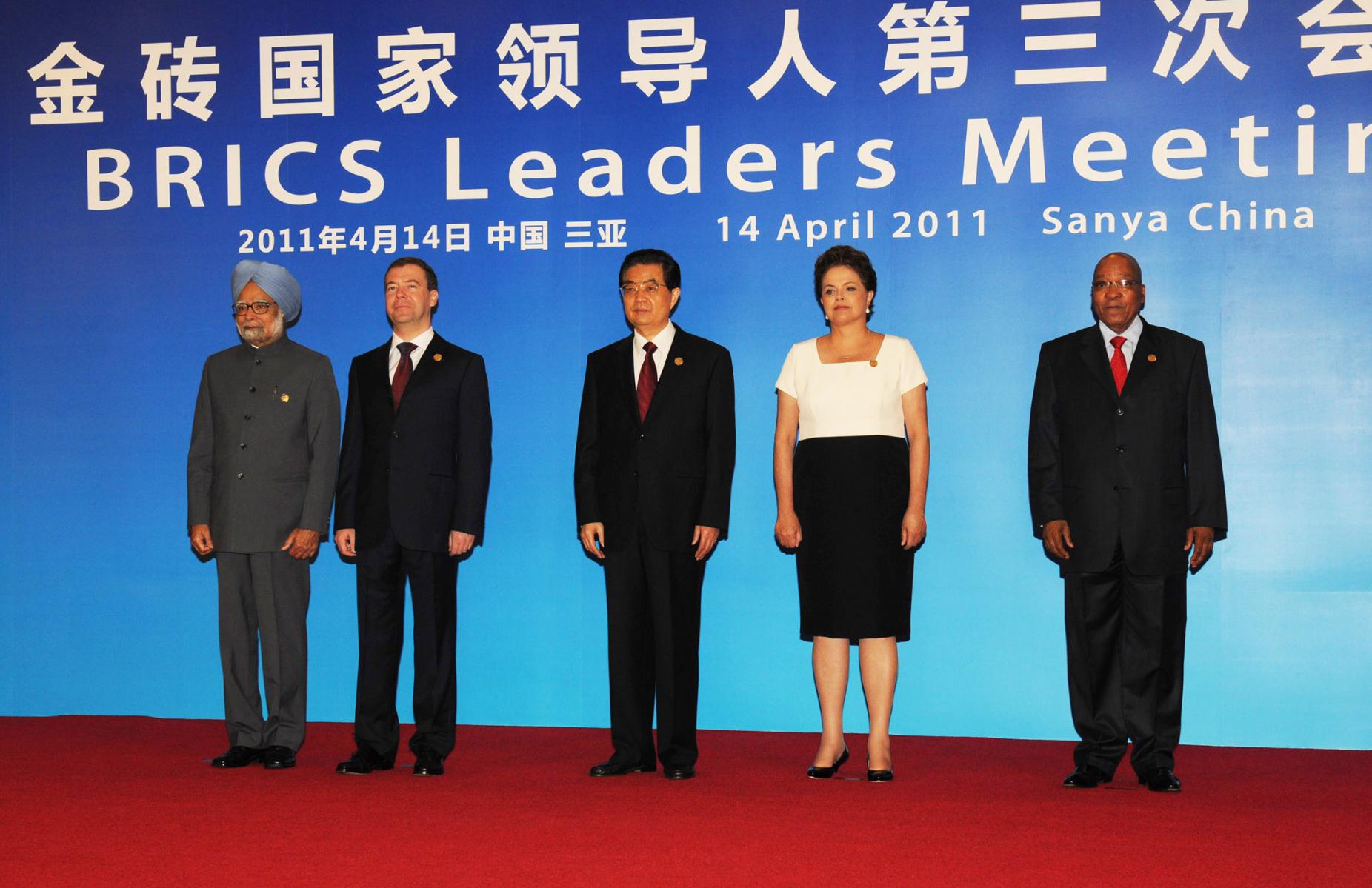
It was agreed to expand BRIC into BRICS with the inclusion of South Africa at the BRIC Foreign Ministers’ meeting in New York in 2010. Accordingly, South Africa attended the 3rd BRICS Summit in Sanya in 2011.
Egypt, Ethiopia, Iran, Saudi Arabia and UAE became full member of BRICS from January 2024 and Indonesia in January 2025.
Belarus, Bolivia, Kazakhstan, Cuba, Malaysia, Nigeria, Thailand, Uganda, Uzbekistan and Vietnam joined BRICS as Partner Countries in 2025.
BRICS Member Countries
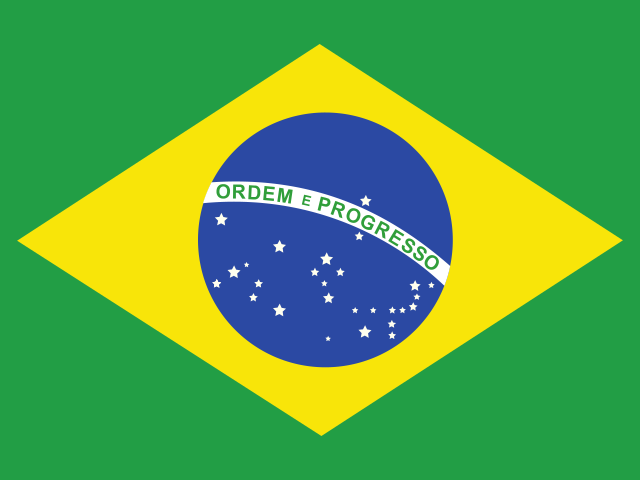
Brazil
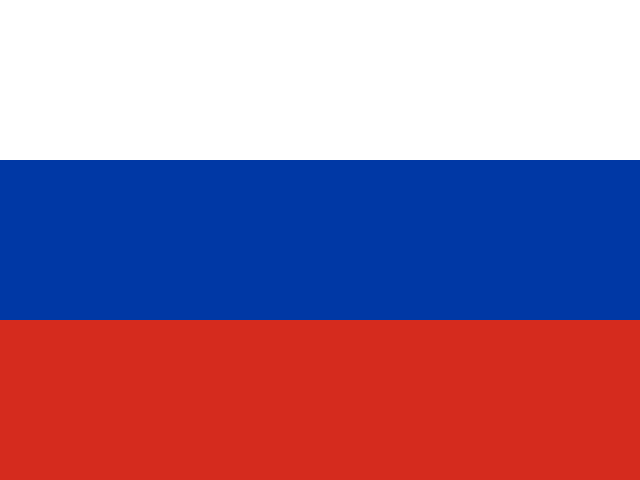
Russia
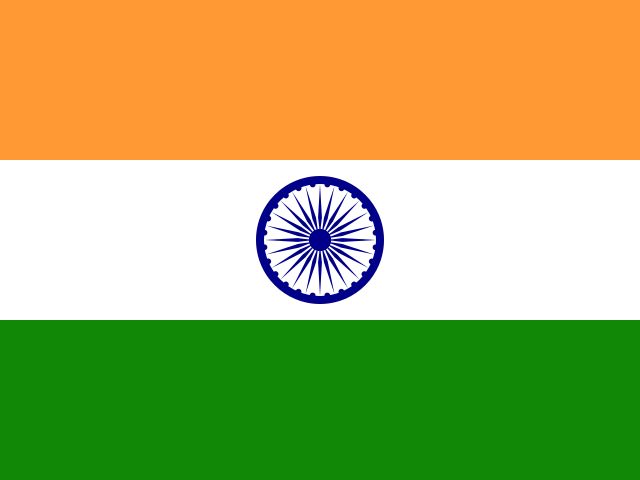
India
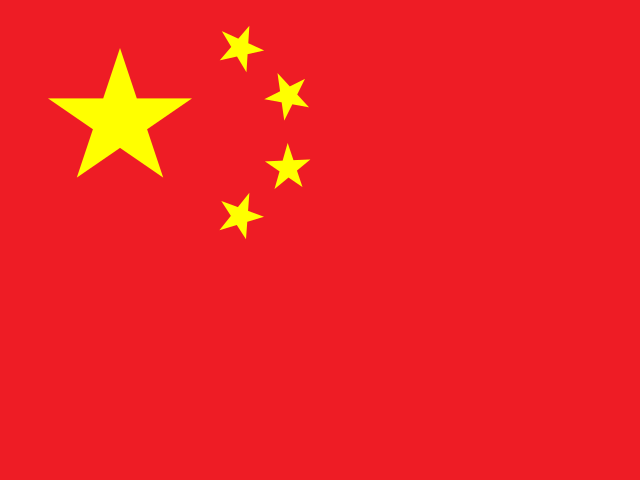
China
South Africa
UAE
Indonesia
Ethiopia
Egypt
Iran
Saudi Arabia
BRICS Partner Countries
Vietnam
Uzbekistan
Uganda
Thailand
Nigeria
Malaysia
Kazakhstan
Cuba
Bolivia
Belarus
Political and Security
Economy and Finance
Cultural and People to People Exchanges
Areas of Cooperation
The BRICS agenda has expanded considerably from its initial focus on economic issues of mutual concern and is structured around three core pillars
BRICS cooperation continues to broaden its scope across a wide range of global issues, including fight against terrorism, climate change, food and energy security, the international economic and financial situation, telecommunications, agriculture, labour and employment, international financial architecture, trade, and the WTO.
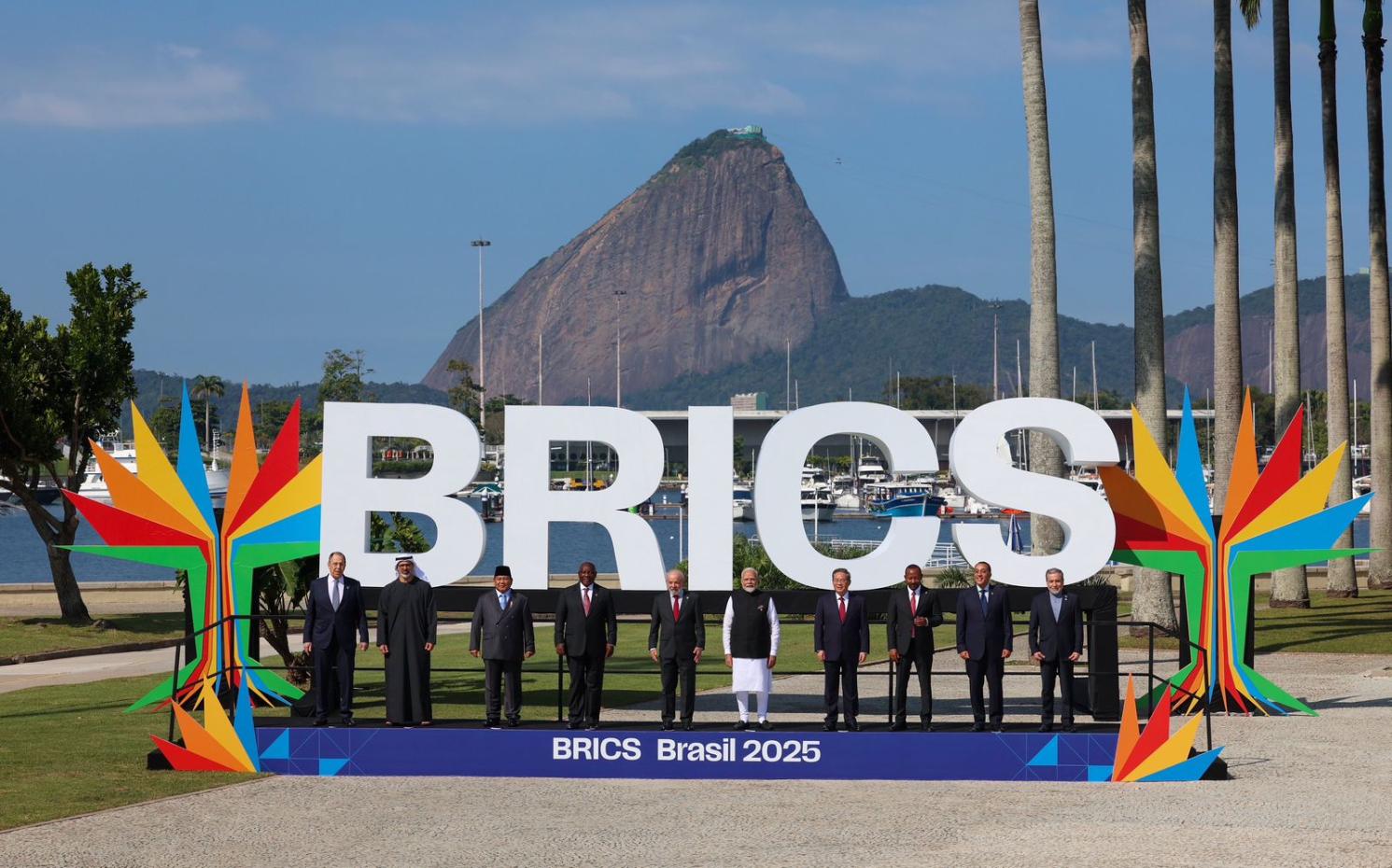
17th BRICS Summit – 6–7 July 2025, Rio de Janeiro & Brasilia, Brazil
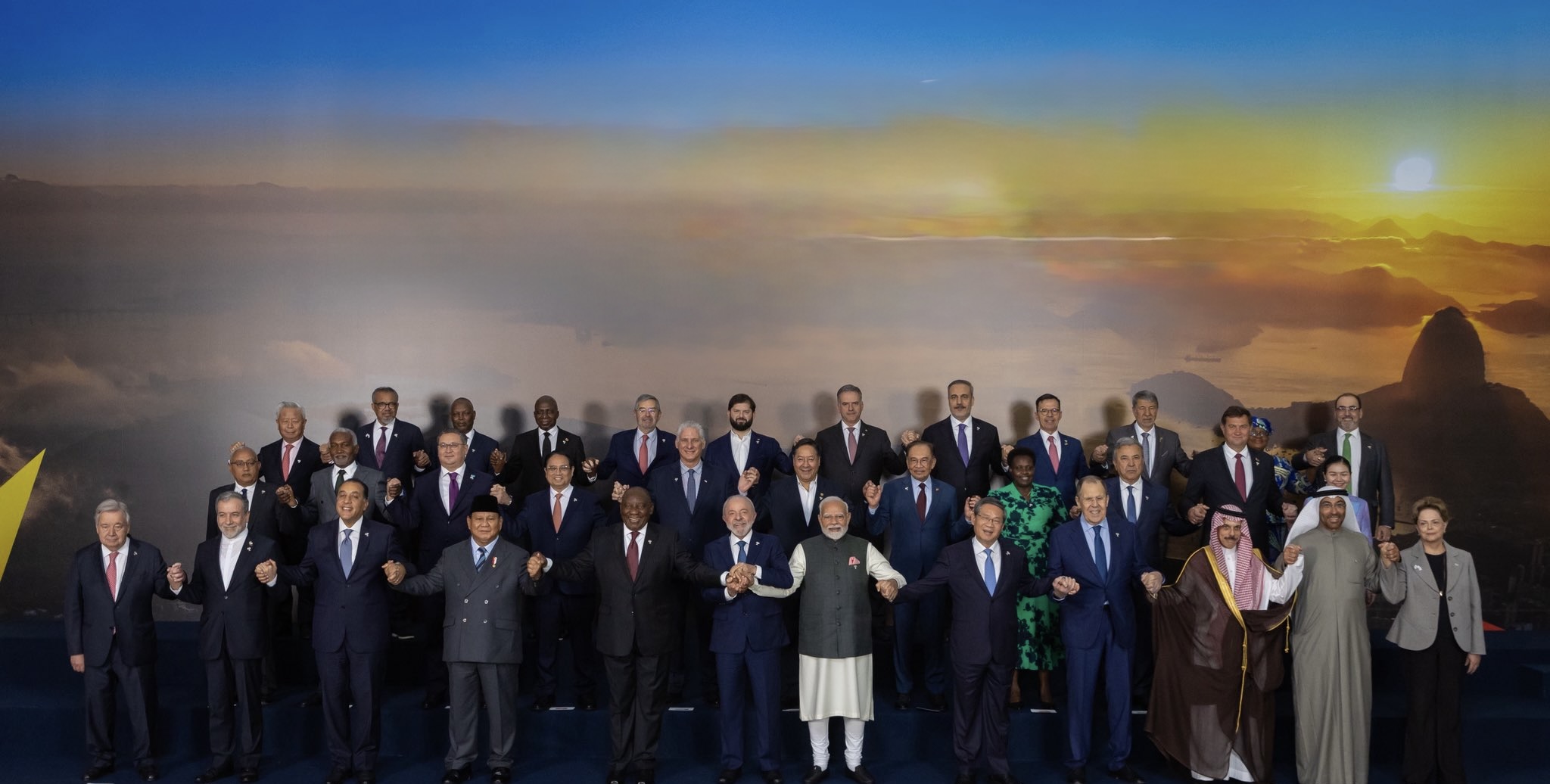
The 17th BRICS Summit was held on 6–7 July 2025 in Rio de Janeiro, Brazil, under the theme “Strengthening Global South Cooperation for a More Inclusive and Sustainable Governance.” Brazil’s Chairship prioritized global health cooperation, trade and finance, climate change (as a bridge to COP-30), AI governance, and institutional streamlining. Apart from the BRICS Summit Leaders’ declaration, three other outcome documents were adopted: the Framework Declaration on Climate Finance, mobilizing resources for sustainable transitions and COP-30; the Statement on Global Governance of Artificial Intelligence, calling for inclusive, responsible, human-centric AI regulation; and the BRICS Partnership for the Elimination of Socially Determined Diseases, focusing on health equity and pandemic preparedness. The Brasilia Declaration reaffirmed BRICS’ commitment to comprehensive UN reform, multilateral trade reform, and inclusive governance, while strengthening BRICS’ role as a platform for Global South solidarity.
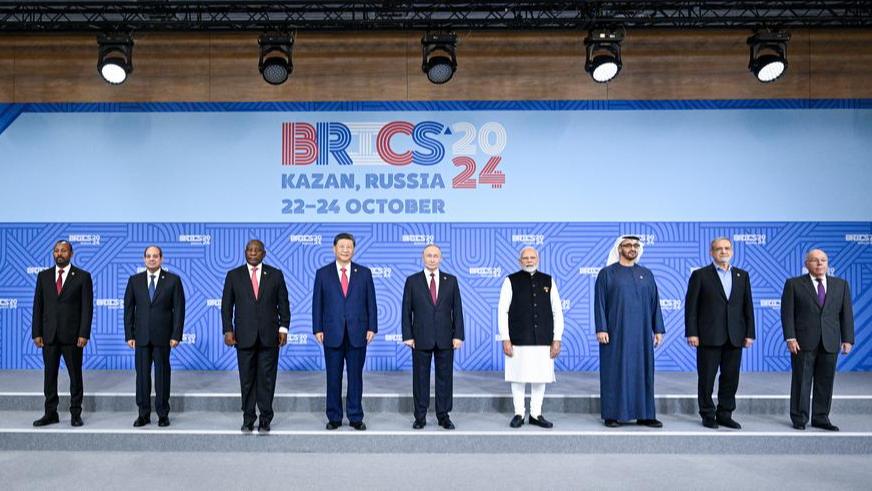
16th BRICS Summit – 22–24 October 2024, Kazan, Russia
The 16th summit was held on 22–24 October 2024 in Kazan, Russia. The Kazan Declaration, under the theme “Strengthening Multilateralism for Fair Global Development and Security,” marked expansion with five new full members—Saudi Arabia, Egypt, UAE, Ethiopia, and Iran—and approved creation of the BRICS partner country status with accession criteria. Leaders advocated strengthening multilateralism to promote a just, democratic world order; enhancing cooperation for global and regional stability and safety; promoting economic and financial cooperation for fair development; and intensifying people exchanges to foster social and economic development. The declaration reaffirmed non-selective, non-politicized cooperation on human rights; highlighted concerns about harmful unilateral, illegal coercive measures undermining trade, growth, energy, health, food, and environmental security; and noted conflicts and MENA instability.
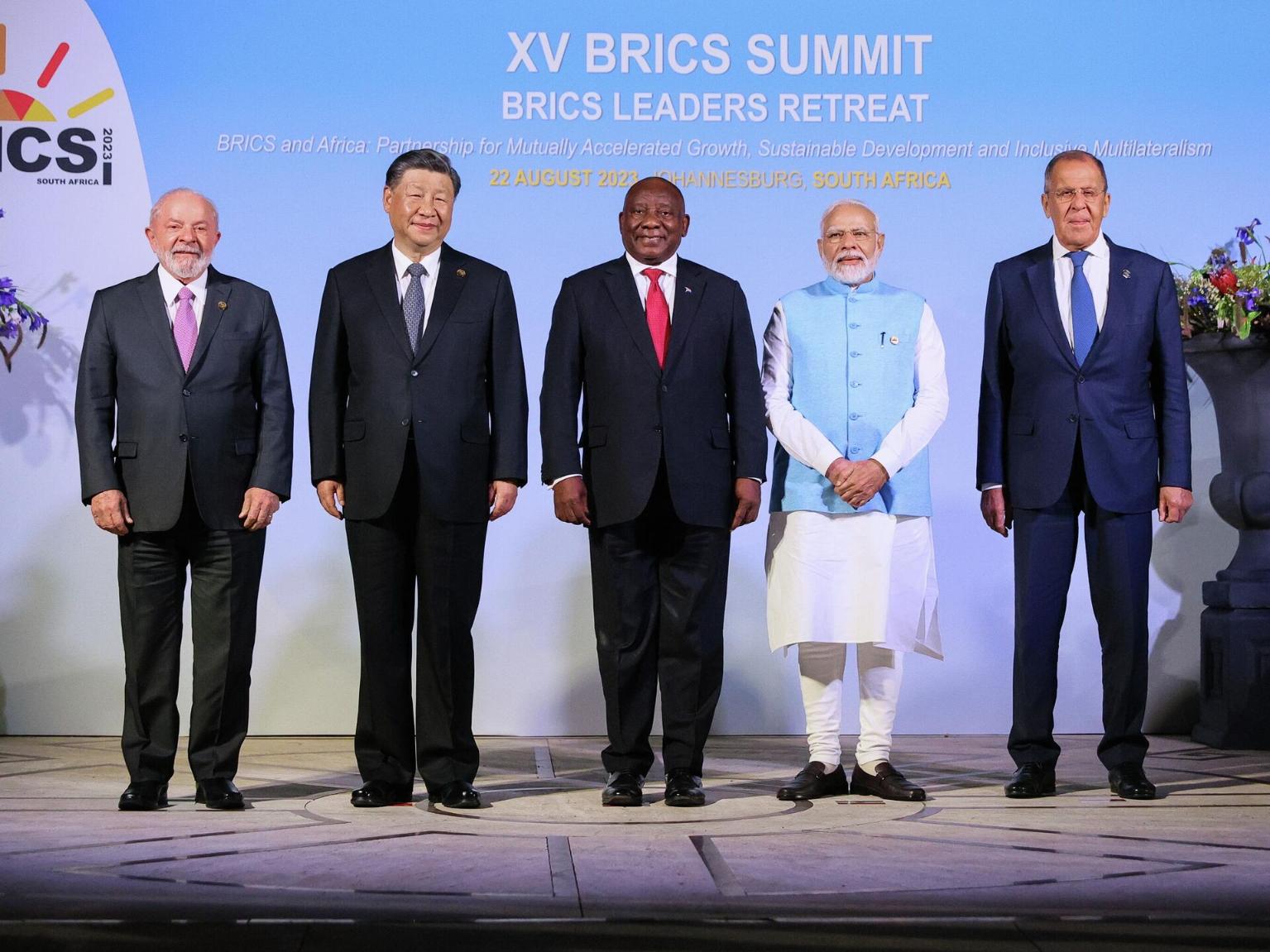
15th BRICS Summit – 22–24 August 2023, Johannesburg, South Africa
The 15th summit was held on 22–24 August 2023 in Johannesburg, South Africa. The Johannesburg II Declaration, under “BRICS and Africa,” reaffirmed inclusive multilateralism with the UN at its center and defense of international law, and urged greater representation of EMDCs in international organizations. Leaders emphasized governance reform, climate security, and energy transition; tasked Finance Ministers and Central Bank Governors to study intra-BRICS instruments and payment platforms; recognized NDB and CRA’s central roles; and adopted guiding principles, criteria, and procedures for expansion. Foreign Ministers were tasked to develop the BRICS partner country category. For the first time, BRICS noted support for the legitimate aspirations of Brazil, India, and South Africa to play more prominent roles, particularly at the UN Security Council.
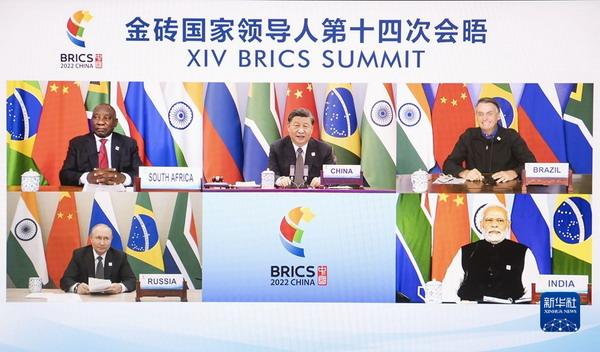
14th BRICS Summit – 23–24 June 2022, Beijing, China
The 14th summit was held on 23–24 June 2022 in Beijing, China. The Beijing Declaration, under “Foster High-quality BRICS Partnership,” prioritized food and energy security amid global crises, and BRICS coordination for post-pandemic recovery. Leaders reaffirmed multilateralism, peaceful dispute resolution via dialogue, and support to the WHO’s leadership in global health governance. The declaration urged more inclusive, representative, participatory global governance, with greater developing-country participation—particularly Africa—in decision-making. BRICS reaffirmed Agenda 2030 and SDGs to combat climate change and protect biodiversity, and spotlighted innovative, inclusive solutions—digital and technological tools—for equitable access to global public assets.
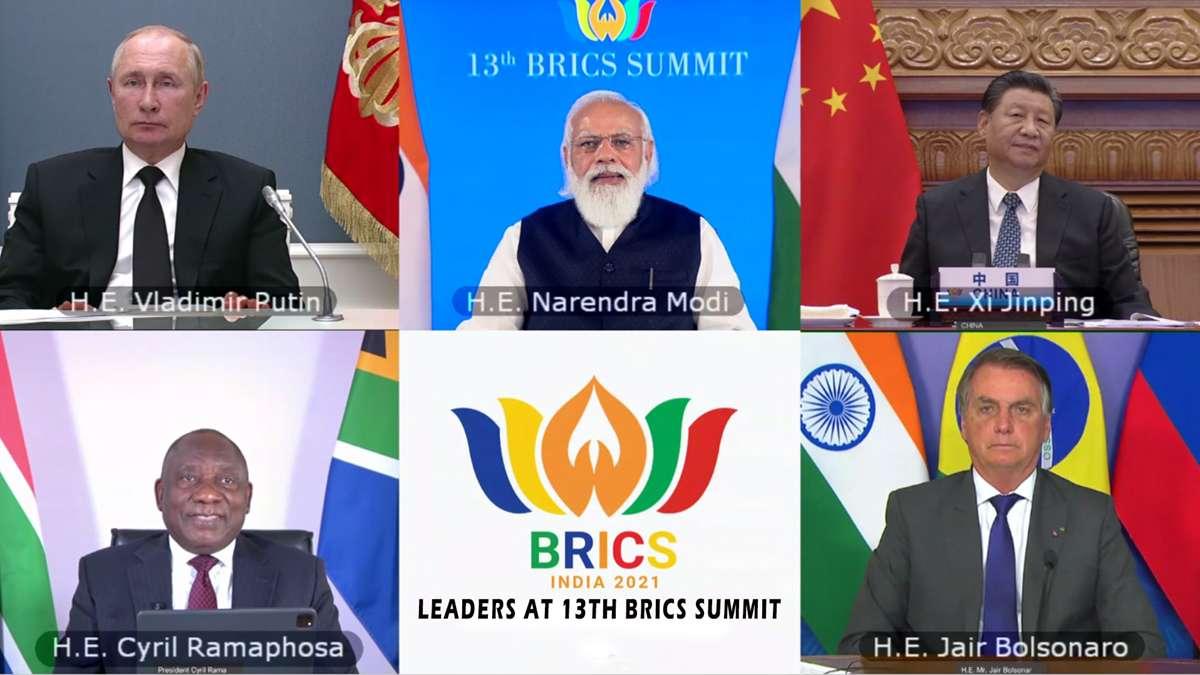
13th BRICS Summit – 9 September 2021, New Delhi, India
The 13th BRICS Summit was held on 9 September 2021 in New Delhi, India, under the theme “BRICS @ 15: Intra-BRICS Cooperation for Continuity, Consolidation and Consensus.” Leaders adopted the New Delhi Declaration, which marked the 15th anniversary of BRICS and emphasized reform of the multilateral system, counter-terrorism cooperation, harnessing digital tools for achieving the SDGs, and enhancing people-to-people exchanges. India streamlined BRICS’ working methods, making communiqués simpler and more accessible, and introduced new ministerial tracks such as the Digital Health Summit and the inaugural Water Ministers’ Meeting. India also convened the Heads of Space Agencies to sign the BRICS Remote Sensing Satellite Constellation Agreement, advancing cooperation in climate research, agriculture, and disaster management. The declaration included a landmark Joint Statement on Strengthening and Reforming the Multilateral System, acknowledging deficiencies in institutions like the UN Sanctions Committee and calling for comprehensive reforms to make global governance more inclusive, representative, and accountable. Other deliverables included the BRICS Counter-Terrorism Action Plan, the BRICS Customs Mutual Assistance Agreement, and the operationalization of the Agricultural Research Platform. India curated a full calendar of people-to-people events, including the BRICS Film Technology Symposium and workshops on digital forensics.
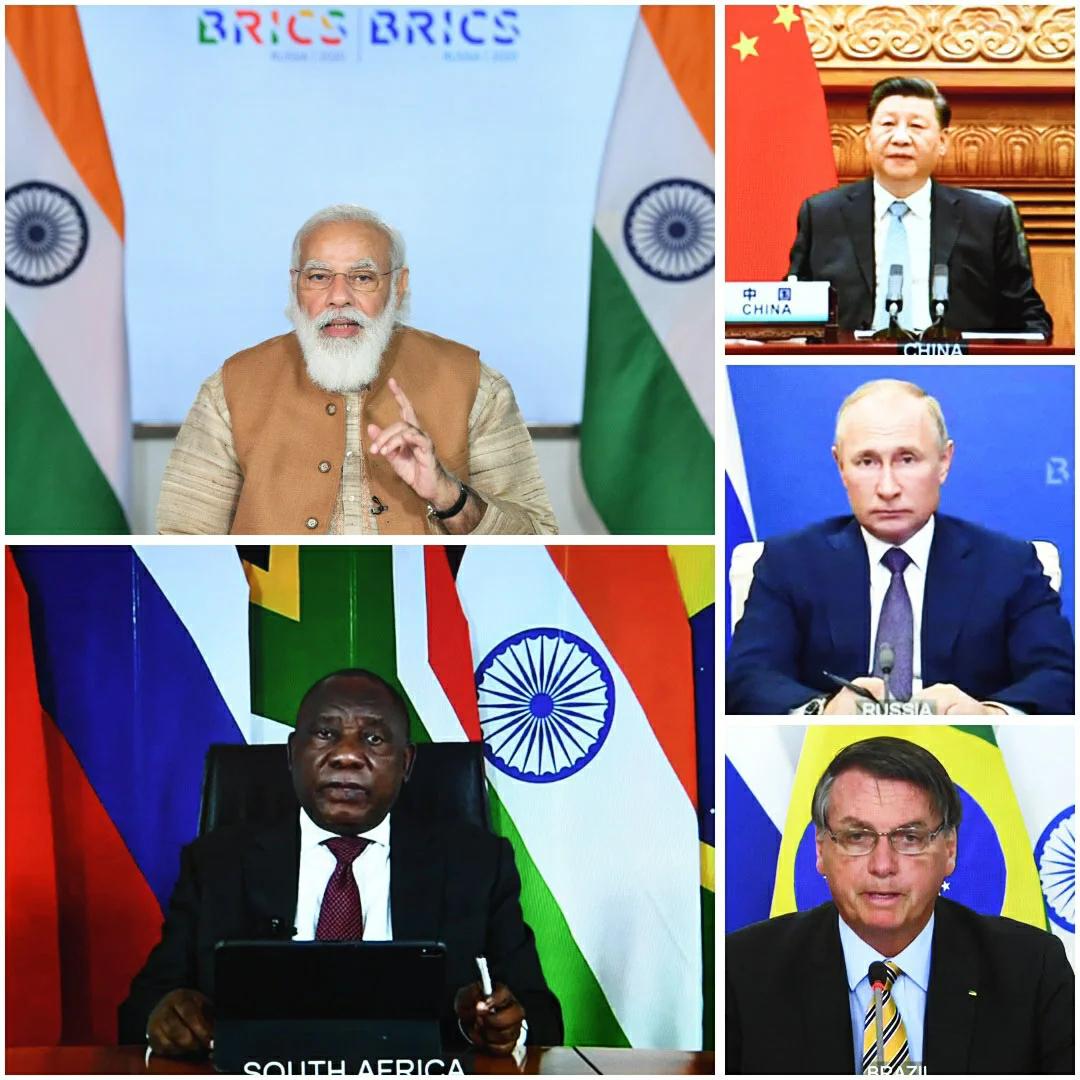
12th BRICS Summit – 17 November 2020, Moscow, Russia
The 12th summit was held on 17 November 2020 in Moscow (online), Russia. The Moscow Declaration, under “BRICS Partnership for Global Stability, Shared Security and Innovative Growth,” addressed pandemic challenges—inclusive economic recovery, public-health cooperation, vaccine development, and the need for widespread immunization. Leaders reiterated support for multilateralism, condemned protectionist and unilateral measures, and advocated greater inclusion of emerging countries in economic governance; they backed comprehensive reform of IFIs and multilateral bodies including the UN, WTO, WHO, and IMF. NDB launched a USD 10 billion emergency assistance program supporting health and economic stabilization.
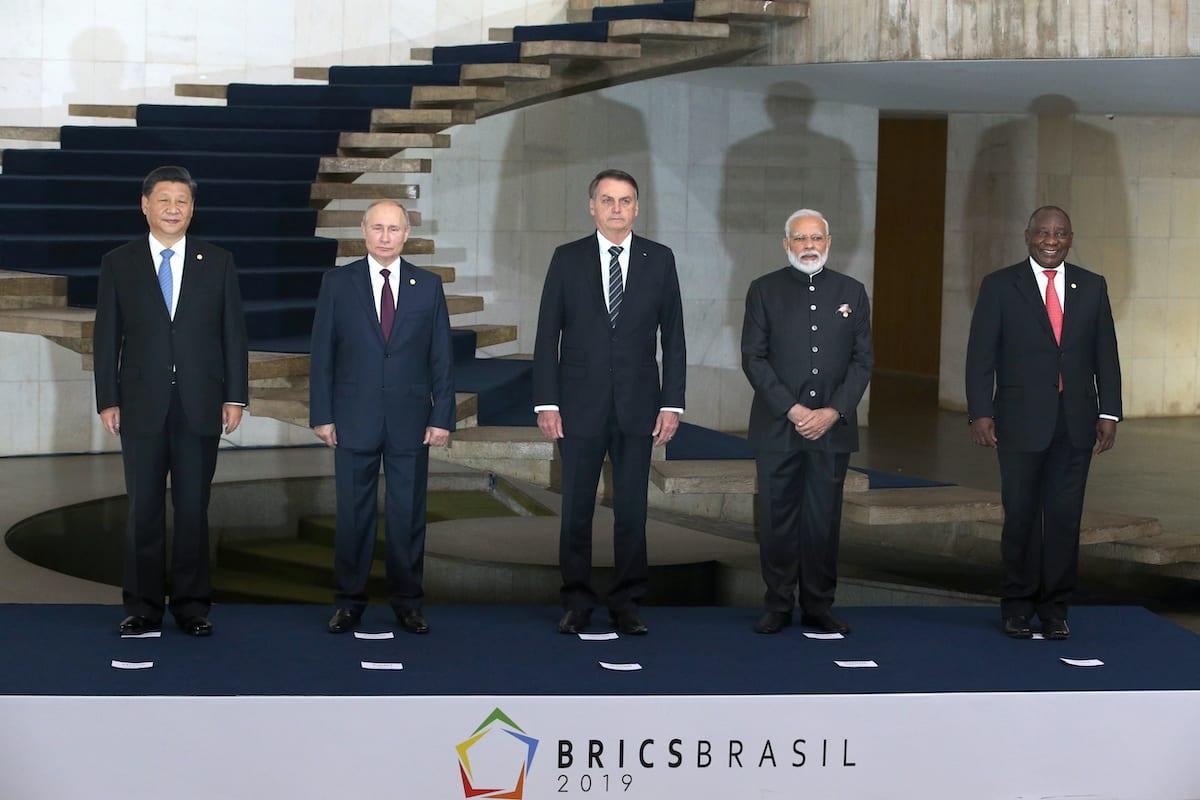
11th BRICS Summit – 13–14 November 2019, Brasília, Brazil
The 11th summit was held on 14 November 2019 in Brasília, Brazil. The Brasília Declaration, under “Economic Growth for an Innovative Future,” emphasized global governance reform and strengthening trade and investment among members, while reaffirming a WTO-centered multilateral trading system. Leaders stressed implementation of the Paris Agreement and Agenda 2030, urging developed countries to provide finance and technology to support mitigation and adaptation. The declaration also addressed cybersecurity and global health. India supported the NDB’s regional office opening in Brazil, widened innovation and women’s economic participation via the Women’s Business Alliance, and backed STI architecture consolidation.
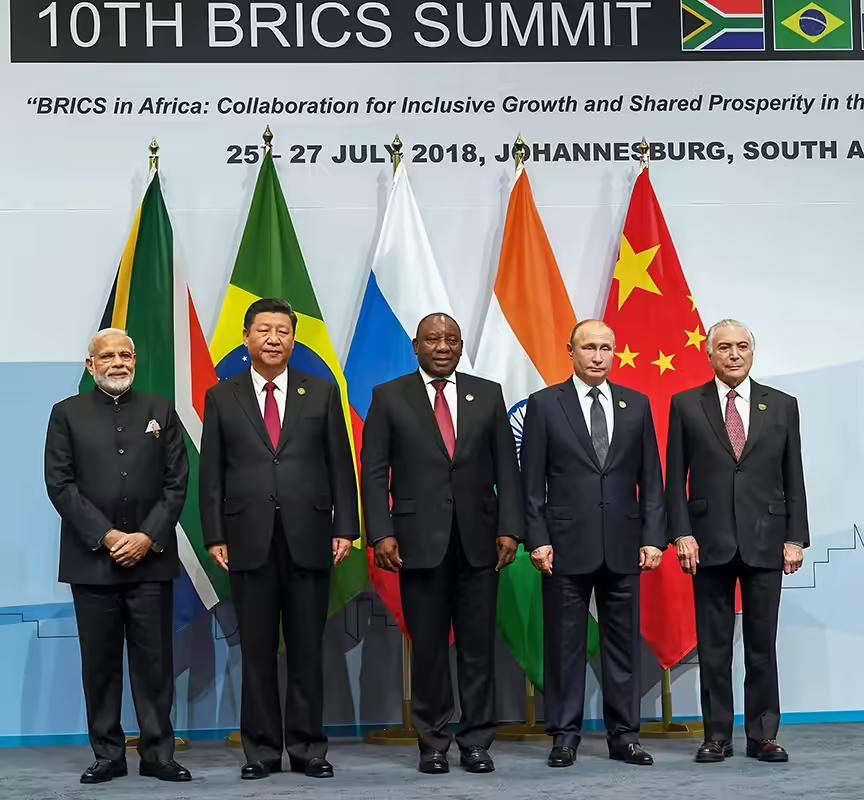
10th BRICS Summit – 25–27 July 2018, Johannesburg, South Africa
The 10th summit was held on 25–27 July 2018 in Johannesburg, South Africa. The Johannesburg Declaration, under “BRICS in Africa,” focused on multilateralism and global governance reform—especially UNSC—while addressing gender equality, women’s rights, youth development, employment and future of work, urbanization, and migration. Leaders highlighted ICT opportunities and risks in the Fourth Industrial Revolution; recommended establishing the BRICS Partnership on New Industrial Revolution (PartNIR); and commended the BRICS Working Group on tourism given its development potential. BRICS advanced women’s inclusion through the Women’s Forum and Women’s Business Alliance.
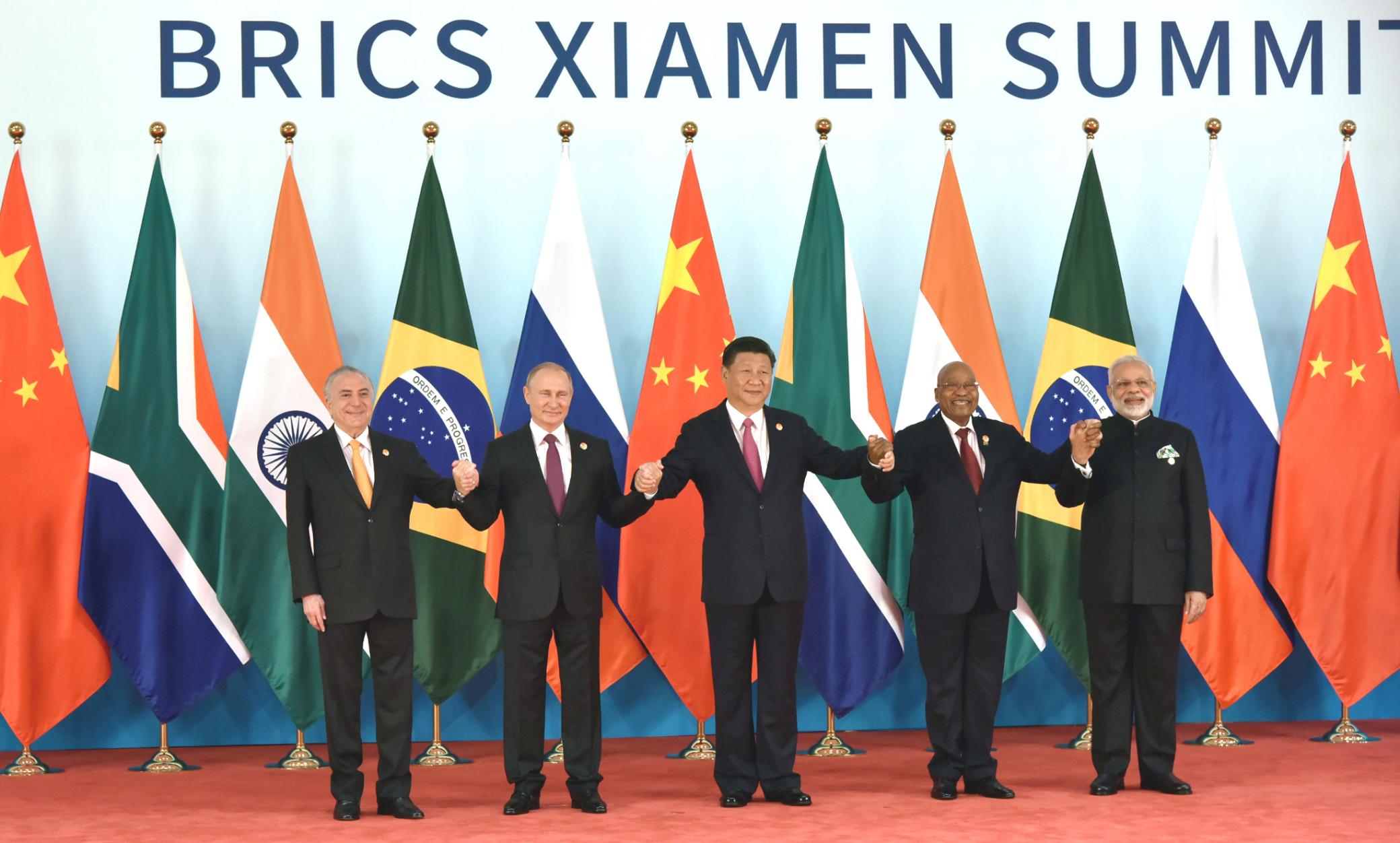
9th BRICS Summit – 4–5 September 2017, Xiamen, China
The 9th summit was held on 4 September 2017 in Xiamen, China. The Xiamen Declaration, under “Stronger Partnership for a Brighter Future,” highlighted progress under the BRICS Strategy for Economic Partnership: trade and investment facilitation; connectivity; policy sharing; information exchange and capacity building; services trade; e-commerce; and IPR cooperation. Leaders committed to building a prosperous digital economy and to bolstering global health governance via the WHO and UN agencies, improving availability of innovative, effective, and affordable medical resources. They underscored joint action to reduce disaster risk, recalling the 2016 decision to establish a BRICS Joint Task Force on Disaster Risk Management. India ensured robust counter-terror focus—Xiamen included explicit listings in line with India’s concerns—and backed digital, health, and disaster platforms. Xiamen reinforced innovation, MSME facilitation, and financial connectivity, cementing BRICS’ role in inclusive, rules-based development and resilience.
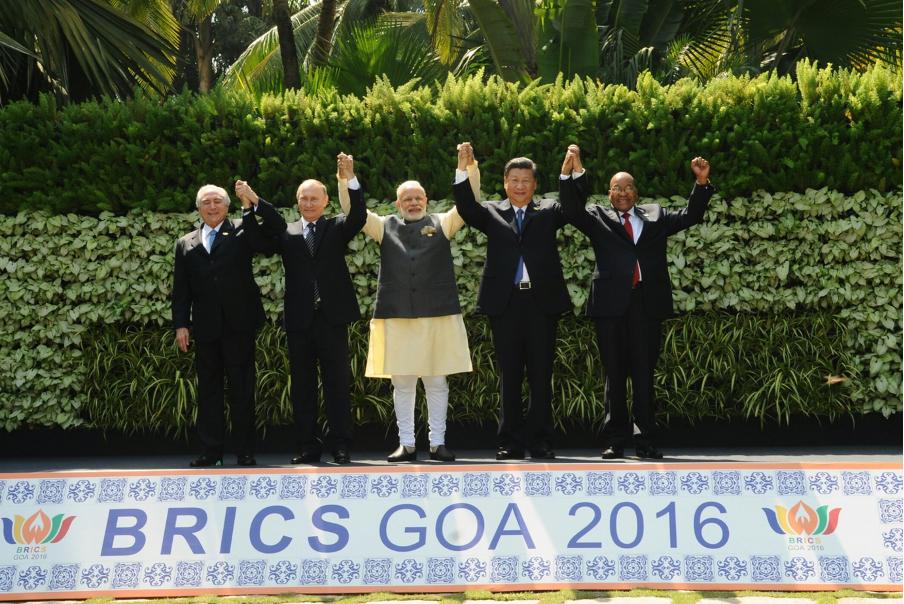
The 8th summit was held on 15–16 October 2016 in Goa, India. The Goa Declaration and Action Plan, under “Building Responsive, Inclusive and Collective Solutions,” welcomed NDB operationalization and first renewable energy loans; stressed UN reform including the Security Council to enhance developing-country participation; and reaffirmed commitment to Agenda 2030 and SDGs. Leaders prioritized clean and renewable energy access and energy security, and underscored combating HIV and tuberculosis. India placed strong counter-terrorism language on the agenda, pressed for FATF standards, and hosted the BRICS–BIMSTEC Outreach Summit to align South Asian regional priorities in counter-terrorism, trade, energy, investment, environment, technology, infrastructure, and human development. Deliverables included agricultural, customs, and diplomatic academies cooperation. Goa’s blend of development finance, energy transition, health cooperation, and security clarity broadened BRICS’ practical footprint across sectors.
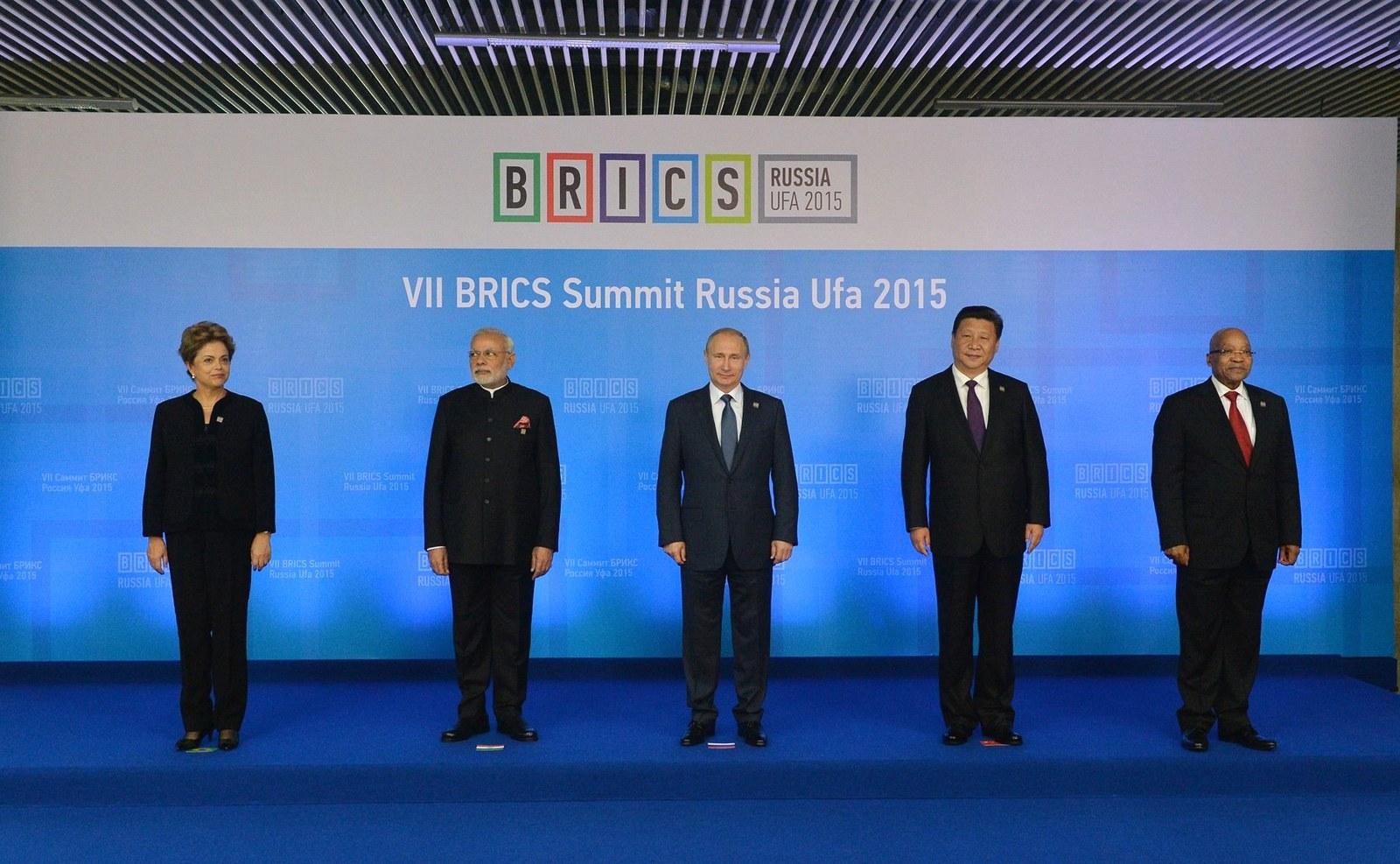
The 7th summit was held on 9 July 2015 in Ufa, Russia. The Ufa Declaration adopted the Strategy for BRICS Economic Partnership to expand trade and investment; intensify financial cooperation; deepen collaboration in energy, agriculture, industry, mineral processing; and advance STI, connectivity, and ICT. Leaders condemned unilateral military interventions and economic sanctions violating international law; underscored peaceful outer space use; and advocated an open, democratic internet governance free of unilateral influence. Authorities were tasked to explore expanding national currencies’ use in intra-BRICS transactions. India backed innovation, ICT connectivity, and customs facilitation, aligning with domestic ease-of-doing-business reforms. Ufa consolidated the three pillars—political-security, economic-financial, and people-to-people—embedding an implementation pathway that would power BRICS platforms and ministerial tracks through the latter half of the decade.
6th BRICS Summit – 14–16 July 2014, Fortaleza, Brazil
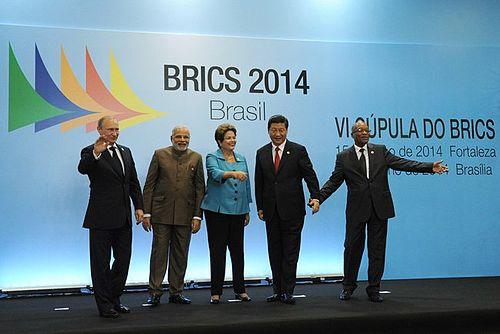
The 6th summit was held on 15 July 2014 in Fortaleza, Brazil. Under “Inclusive Growth: Sustainable Solutions,” the Fortaleza Declaration signed the Agreement establishing the NDB (headquartered in Shanghai) and the Treaty establishing the CRA—BRICS’ institutional landmarks for sustainable infrastructure financing and coordinated liquidity support. Leaders concluded a Cooperation Agreement on Innovation within the BRICS Interbank Mechanism, reiterated comprehensive UN reform including the Security Council, and affirmed that outer space utilization must be exclusively for peaceful purposes. India welcomed NDB’s equal-vote governance and pressed for robust pipelines in power, transport, water, and public health; it also backed CRA preparedness and work toward local currency funding. Fortaleza definitively shifted BRICS from vision to implementation, demonstrating Global South capacity to design agile, representative institutions that complement legacy IFIs and advance inclusive development outcomes.
5th BRICS Summit – 26–27 March 2013, Durban, South Africa
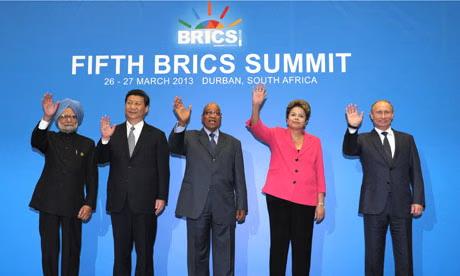
The 5th summit was held on 27 March 2013 in Durban, South Africa. The declaration, under “BRICS and Africa: Partnership for Development, Integration and Industrialisation,” advanced the New Development Bank (NDB) and Contingent Reserve Arrangement (CRA), sustained support for IMF reform, and recognized the importance of an international reserve currency system to improve monetary stability. Africa’s development centrality was reflected in emphasis on industrialization, regional integration, and recognition of the roles of state enterprises and SMEs. Leaders supported the UN Global Strategy against Terrorism and urged conclusion of the Global Convention on International Terrorism. India backed institution-building to provide fairer, demand-responsive finance for infrastructure and social development, aligning with its priorities in energy, transport, and poverty reduction. Durban also deepened outreach with African institutions, embedding BRICS in continental partnership and creating a precedent for “BRICS Plus” dialogues, while consolidating the shift from coordination to concrete instruments for development and liquidity resilience.
4th BRICS Summit – 29 March 2012, New Delhi, India
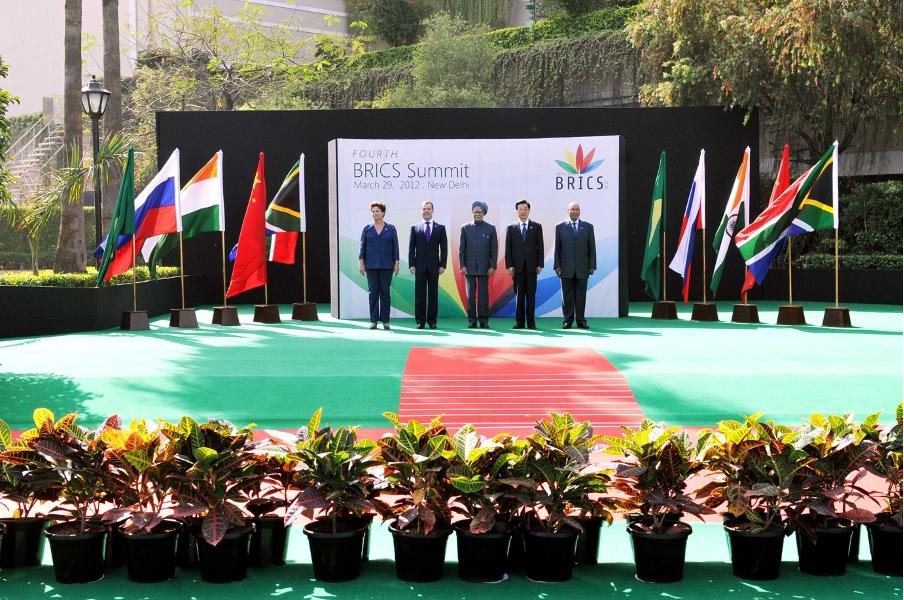
The 4th BRICS Summit was held on 29 March 2012 in New Delhi, India, under the theme “BRICS Partnership for Global Stability, Security and Prosperity.” Leaders adopted the Delhi Declaration, which focused on uneven recovery, sovereign debt risks, and sustainable development ahead of Rio+20. The declaration emphasized poverty eradication, food and energy security, and climate resilience. The outcome document called for IMF quota reform, fairer World Bank representation, and balanced growth. India introduced practical cooperation tracks in agriculture, health, and science, foreshadowing the eventual creation of the New Development Bank (NDB) and Contingent Reserve Arrangement (CRA). India also highlighted terrorism as a global threat, stressing the need for collective action and stronger institutional mechanisms. The Delhi Summit marked a turning point, moving BRICS from consultation on global economic issues to practical cooperation across multiple sectors.
The 3rd summit was held on 14 April 2011 in Sanya, China. Under “Broad Vision, Shared Prosperity,” the Sanya Declaration welcomed South Africa, transforming BRIC into BRICS and broadening continental reach. Leaders condemned terrorism, urged expeditious conclusion of negotiations on a Global Convention on International Terrorism, and reiterated comprehensive reform of the UN—including the Security Council—to enhance effectiveness, efficiency, and representativeness. Economic priorities included trade and investment facilitation, fairer IMF governance, and support for inclusive growth via health, education, and science cooperation. India foregrounded counter-terrorism and regional stability—particularly Afghanistan and West Asia—linking security cooperation to energy and diaspora concerns. Sanya strengthened people-to-people exchanges and cultural ties, embedding Track II inputs into a maturing forum. The declaration reinforced UN-centered multilateralism and consensus-based cooperation, setting groundwork for institution-building that would culminate in the NDB and CRA agreements within three years.
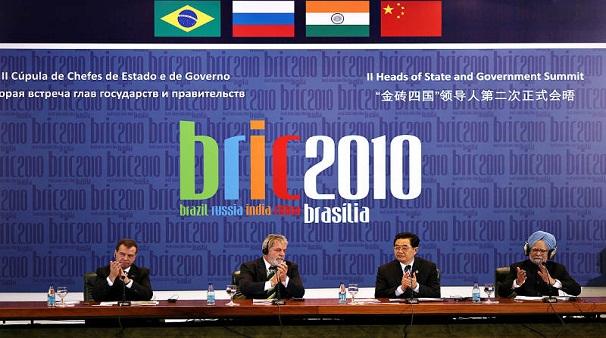
The 2nd summit was held on 15 April 2010 in Brasília, Brazil. The Joint Statement advanced reform of global governance and of the international financial and monetary system, reaffirming the G20’s central role in crisis management and macroeconomic policy coordination. Leaders opposed trade protectionism, emphasized the WTO-centered multilateral trading system, and called for studies on credit concession and deeper cooperation on energy and infrastructure projects. They linked development outcomes to the Millennium Development Goals (MDGs), urging the international community to intensify efforts against poverty, social exclusion, and inequality, and stressed the urgency of cleaner energy systems and immediate action on climate change. India advocated fair trade rules, equitable technology access, and balanced growth that protects development gains, aligning with its domestic priorities across agriculture, energy, and inclusive social programs. Brasília expanded sectoral tracks—finance, trade, and infrastructure—moving BRIC closer to practical cooperation, while keeping the UN Charter, sovereignty, and peaceful settlement of disputes at the center of political-security coordination.
1st BRIC Summit – 16 June 2009, Yekaterinburg, Russia
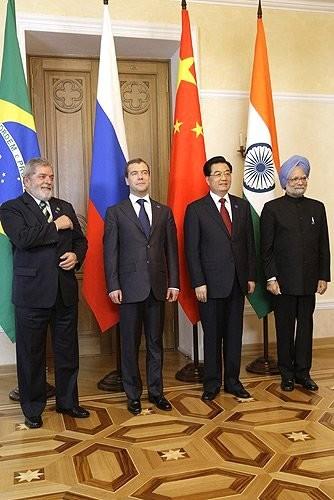
The 1st summit was held on 16 June 2009 in Yekaterinburg, Russia. Convened in the shadow of the 2008 financial crisis, leaders issued the Joint Statement underscoring the G20’s primacy in coordinating crisis response and calling for a new, more representative international financial architecture that strengthens the voice and share of emerging markets in the IMF and World Bank. They supported the multilateral trading system, rejected protectionism, and highlighted cooperation in science, energy, education, and international humanitarian assistance as stabilizing levers. BRIC also condemned terrorism, urging progress on a Comprehensive Convention on International Terrorism, while affirming a more democratic and just multipolar order grounded in international law, equality, mutual respect, and collective decision-making. India pressed for equitable global economic governance, food and energy security, and transparent multilateral processes, anticipating subsequent BRICS pillars—political-security, economic-financial, and people-to-people cooperation. The meeting institutionalized annual leaders’ summits and ministerial coordination, crystallizing a platform to pursue UN-centered multilateralism, fair representation in global institutions, and development-oriented cooperation aligned with Global South priorities.